Cannabis for Chronic Pain: A Patient's Evidence-Based Guide
Chronic pain is the most common reason people seek medical cannabis. Here's what the research actually shows, which products work best, and how to build an effective pain management protocol.
Dr. Sandra Kim
Medical Cannabis Specialist
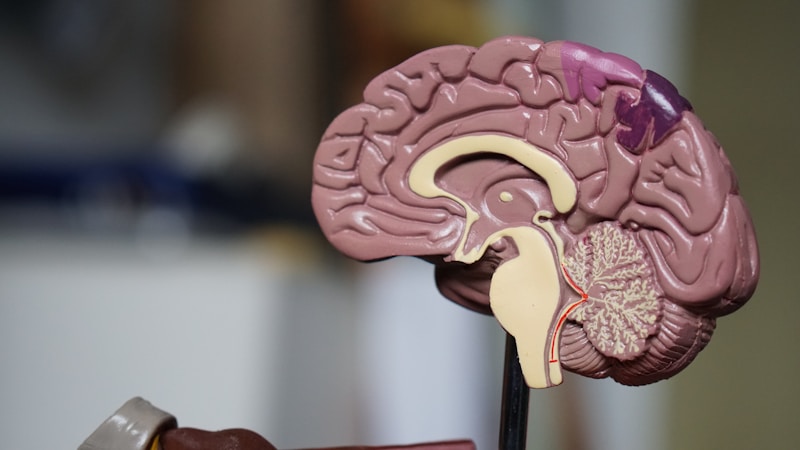
Chronic pain affects an estimated 50 million Americans and is the most common qualifying condition for medical cannabis programs across the country. The evidence base for cannabis in pain management has grown substantially over the past decade, with multiple systematic reviews and meta-analyses now supporting its use for specific pain types. But "cannabis helps pain" is an oversimplification that leads many patients to suboptimal outcomes. The details matter enormously.
The strongest evidence for cannabis in pain management is for neuropathic pain — pain caused by nerve damage or dysfunction. This includes diabetic neuropathy, HIV-associated neuropathy, multiple sclerosis-related pain, and post-surgical nerve pain. Multiple randomized controlled trials have found that inhaled cannabis and oral cannabinoids significantly reduce neuropathic pain intensity compared to placebo. The effect size is modest — typically a 30–40% reduction in pain scores — but for patients who have failed other treatments, this can be meaningful.
For nociceptive pain (pain from tissue damage — arthritis, injury, post-surgical pain), the evidence is more mixed. Some studies show benefit; others do not. The most consistent finding is that cannabis is more effective for the emotional and psychological components of pain — the suffering, the sleep disruption, the anxiety — than for the raw sensory intensity. This is not a minor finding: the suffering component of chronic pain is often more disabling than the pain itself.
THC and CBD work through different mechanisms for pain. THC activates CB1 receptors in the brain and spinal cord, modulating pain signal processing at multiple levels. CBD has weaker direct analgesic effects but reduces inflammation, modulates anxiety (which amplifies pain perception), and may enhance the effects of THC through the entourage effect. For most chronic pain patients, a combination of THC and CBD outperforms either alone.
The 1:1 THC:CBD ratio has the strongest evidence base for pain management. Products with equal parts THC and CBD — like the Sativex oromucosal spray approved in over 30 countries for MS-related pain — consistently outperform high-THC products in clinical trials for pain. The CBD component reduces the psychoactive effects of THC while preserving or enhancing its analgesic properties, making the combination more tolerable for patients who are sensitive to THC's intoxicating effects.
Terpenes matter for pain. Myrcene has demonstrated analgesic and anti-inflammatory properties in preclinical studies and is the most abundant terpene in most cannabis strains. Beta-caryophyllene is unique among terpenes in that it directly activates CB2 receptors — the peripheral cannabinoid receptors involved in inflammation — and has shown anti-inflammatory effects in multiple studies. When choosing cannabis products for pain, look for high myrcene and caryophyllene content on the terpene panel.
Dosing for chronic pain requires patience and systematic titration. Start with a low dose (2.5–5mg THC) and increase by 2.5mg every 3–5 days until you find the minimum effective dose. Many patients find that lower doses are more effective for pain than higher doses — a phenomenon called the biphasic dose-response curve. Higher doses can actually increase pain sensitivity in some patients through a mechanism called hyperalgesia.
Timing your doses matters. For constant pain, a long-acting delivery method (edibles, capsules, or patches) taken on a schedule provides more consistent coverage than as-needed inhalation. For breakthrough pain, a fast-acting method (inhalation or sublingual tincture) provides rapid relief. Many experienced medical cannabis patients use a combination: a low-dose edible or capsule for baseline coverage and a vaporizer for breakthrough episodes.
Cannabis is most effective for chronic pain when used as part of a comprehensive pain management program, not as a replacement for other treatments. Physical therapy, cognitive behavioral therapy for pain, appropriate pharmaceutical medications, and lifestyle modifications all have evidence bases for chronic pain. Cannabis works best when it reduces pain enough to allow patients to engage more fully in these other treatments — not when it becomes the only tool in the toolbox.
Found this article helpful?
Share it with someone who might benefit, or save it for later.



This article is for informational purposes only and does not constitute legal, medical, or financial advice. Cannabis laws and regulations vary by jurisdiction. Always consult qualified professionals before making decisions based on this content.